The first group of awarded proposals for the INSPIRE! Community Engaged Research Seed Grant program was announced in January 2024. The names of the awarded PIs along with their project titles and abstracts are listed below. This page will be updated with more awarded projects as the INSPIRE! program continues.
Tier Two
2026
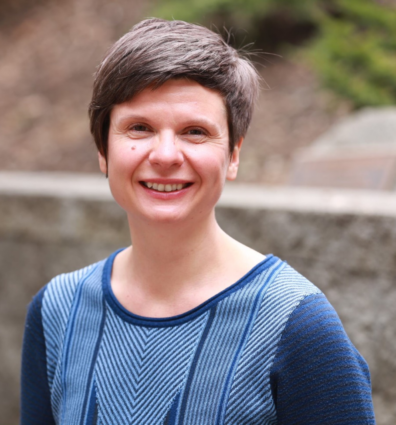
Anya Sheftel (PI)
Assistant Professor
Department of Teaching and Learning
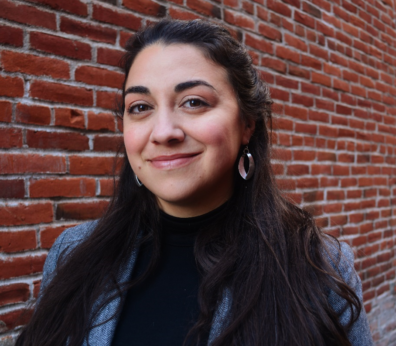
Jessica Masterson (Co-I)
Associate Professor
Department of Teaching and Learning
Disabled people are disproportionately impacted by climate change. Yet, young adults with intellectual disabilities (ID) are rarely included in climate education, planning, or policy spaces. The Accessible Climate Futures project seeks to close this gap. The WSU INSPIRE! seed grant will support relationship-building and collaboration between young adults with ID from the WSU ROAR program, and state and local climate justice and resilience partners. Together, we will co‑develop a shared understanding of climate justice and resilience by engaging in workshops, experiential learning, and listening sessions. These activities will lay the groundwork for a community engaged research agenda focused on meaningful inclusion of young adults with ID in climate justice and resilience initiatives.
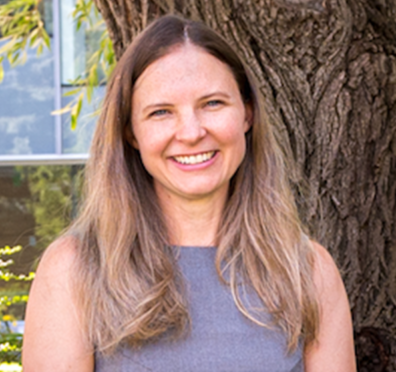
Amanda Lamp
Assistant Professor
Department of Translational Medicine and Physiology
This INSPIRE funding comes at a critical time for Project CARE as our team is poised to begin our rural community partnership-building process. This seed grant provides needed funding to facilitate the relationship-building that will lead to long-term sustainability, allowing us to serve our interprofessional health students and rural community members for years to come. Our long-term vision is a sustainable, statewide model for rural community engagement in goals-of-care conversations, anchored in community partnerships, student learning, and public awareness. The INSPIRE funding provides pivotal support towards this goal.
2025

Landon Charlo
Assistant Professor
School of the Environment
Summary Abstract: Native American Food Sovereignty, a fast-growing social movement, empowers Tribes to define their own food systems for improved health and economic benefits. Inchelium Red garlic, the oldest known garlic variety in the Americas, was popular in Colville Reservation area home and community gardens in the late 1800s/early 1900s. Now, renewed interest in its revitalization and production is emerging through WSU Colville Tribal Extension. With high commercial value, garlic may provide income opportunities for Tribal entrepreneurs. Using community‑based, Indigenous research methods, this research explores garlic’s cultural significance and economic potential, and results may guide future Food Sovereignty policies and initiatives.
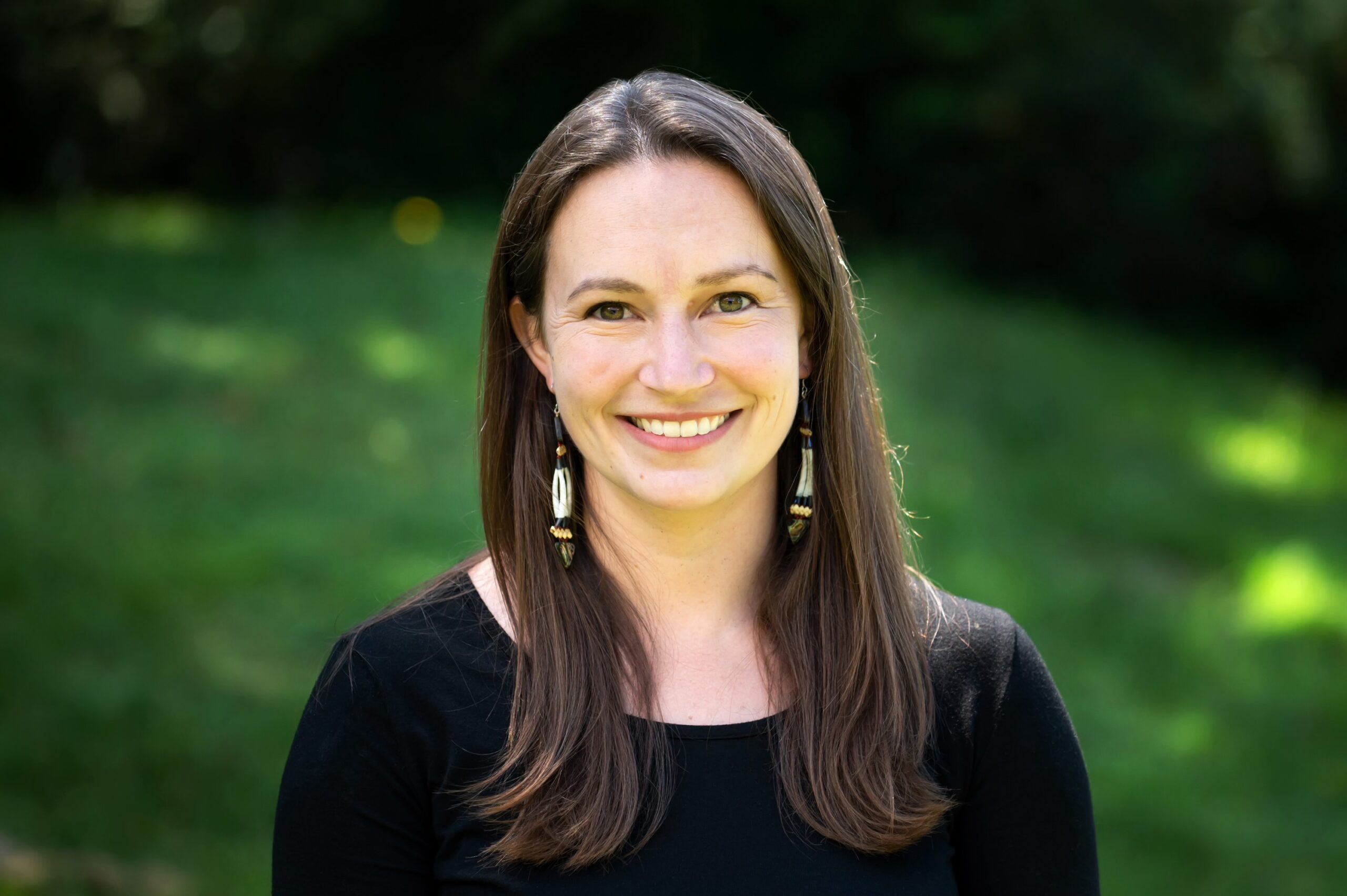
Rachel Wilbur
IREACH
Elson S. Floyd College of Medicine
This seed grant is supporting the community consultation phase of a collaborative study with the Coast Salish Youth Coalition, an Indigenous-led non-profit that empowers Coast Salish youth through cultural collaboration and environmental stewardship. Ultimately, the funding will enable us to meet with Elder and youth groups from interested Tribal Nations and to convene a Community Advisory Board to shape the design of a strengths-based study exploring the role of intergenerational engagement around traditional practices in promoting wellbeing for Coast Salish communities.
2024
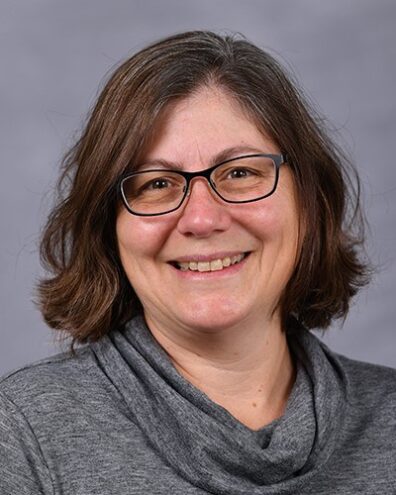
Erica Crespi
Professor
School of Biological Sciences
We are very excited to work in partnership the Kalispel Tribe to assess potential habitat for re-introduction of northern leopard frogs, a native species that is experiencing population decline in the Pacific Northwest region, with only one population remaining in Washington. We share the Kalispel Tribe value of returning this species to its native range, and this project extends other research conducted with the Washington Fish and Wildlife Northern Leopard Frog Recovery program exploring ways to optimize captive rearing conditions and monitor success of reintroductions.

Samantha Fladd
Asst. Prof., and Museum of Anthropology Director
Department of Anthropology
The Community Engaged Research Seed Grant (Tier 2) is supporting hosting one or two workshops in the Southwest to guide subsequent research on women’s histories in the Four Corners Region. Women’s experiences and contributions have often been overlooked in traditional archaeological research, and we hope to provide a new narrative of the past that centers their lives. Working with collaborators at WSU and the non-profit Archaeology Southwest, I will use funding from the Seed Grant to organize meetings in the Southwest to gauge interest in the project and hopefully build a steering committee of Indigenous women to guide subsequent research and outreach efforts.

Molly Kelton
Associate Professor
Dept. of Teaching and Learning
WSU’s INSPIRE! Community Engaged Research Seed Grant program is supporting me in partnership development, needs assessment, and community-based inquiry related to wildfire education in Eastern and Central Washington. This project includes (1) recruiting community-based partners, with a focus on rural communities underserved in STEAM education and (2) a series of hands-on, arts-based community events that bring together families, STEAM educators, researchers, wildfire frontliners, and policy makers to identify needs and questions pertaining to wildfire as a complex socio-scientific issue with consequences for daily decision making. My scholarship focuses on STEAM learning in out-of-school settings like museums and community-based organizations. At the heart of my work is a commitment to collaborating with educational practitioners and community members to co-design and study educational programs and exhibits. This seed grant is supporting me in continuing my community-engaged research with communities served by WSU while expanding the scope of my research to include the urgent issue of wildfire in the Northwest.
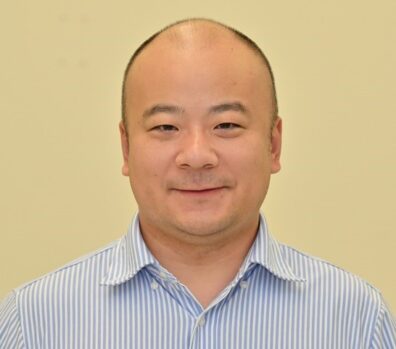
Ming Luo
Flaherty Assistant Professor
School of Mechanical and Materials Engineering
Our project addresses challenges faced by Native Hawaiians in preserving and reclaiming their land, culture, and resources amidst ongoing exploitation and struggles with land rights. We leverage our robotics experience to create innovative solutions that may support farming, environmental monitoring, unexploded ordnance detection, and nutrient evaluation on indigenous lands. Through this project, we are creating partnerships with Native Hawaiian non-profits and organizations, conducting site visits, and hosting workshops to co-design technology in line with their vision. By actively involving the community in the design and prototyping process, we aim to foster meaningful relationships and contribute to the empowerment and well-being of Native Hawaiians, who have often been marginalized and overlooked.
Tier Three
2024
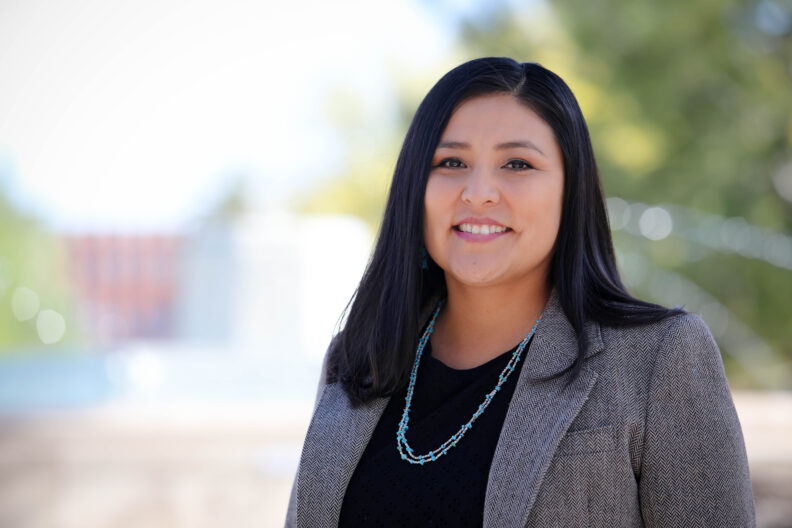
Cheryl Ellenwood
Assistant Professor
School of Politics, Philosophy, and Public Affairs
Qe’ciyew’yew’. iin wen’ikise Cheryl Ellenwood (Nez Perce). I am excited to have received the Community Engaged Research Seed Grant – Tier Three. Funding from this grant will support my research partnership with Nez Perce Fisheries. Funds are essential to ethical and equitable community-engaged research. With this grant, I am excited to provide nourishment in the form of meals when on-site, gift honorariums to knowledge-keepers, and to create meeting spaces that center Indigenous knowledge, practices, and norms. Washington State University is a land-grant university and institutional support for faculty with research partnerships that center Indigenous communities in relation to land and uphold tribal sovereignty are essential to its mission and future.
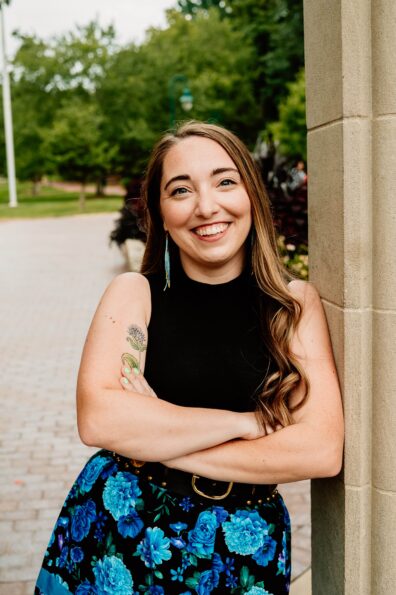
Emily Van Alst
Assistant Professor
Department of Anthropology
I am thrilled to have received the Community Engaged Research Seed Grant – Tier Three. As an Indigenous archaeologist and new tenure track faculty member at WSU, this funding will be essential to growing my current community-engaged archaeological project. The grant will allow me to work directly with my community, including visiting circles, interviews, and rock art site visits so that we can reclaim our sacred sites. I appreciate Washington State University’s commitment to community-engaged work and supporting faculty and scholars working towards bettering their research by working with, by, and for their communities.
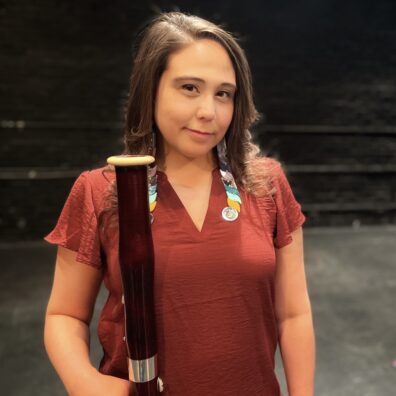
Jacqueline Wilson
Assistant Professor
School of Music
The support I am receiving through WSU’s INSPIRE! Community Engaged Research Seed Grant (Tier III) will provide the students at Lakeside Elementary with important, culturally affirming, experiential learning opportunities. By incorporating Coeur d’Alene and pantribal musics into the curriculum, the students will benefit from the deeper understanding resulting from an enhanced music education curriculum that is uniquely tailored to them, their culture, and their tribal community. This seed grant supports my continued efforts to place Indigenous concepts of relationality and reciprocity at the center of my pedagogy, creative activity, and service.
2025
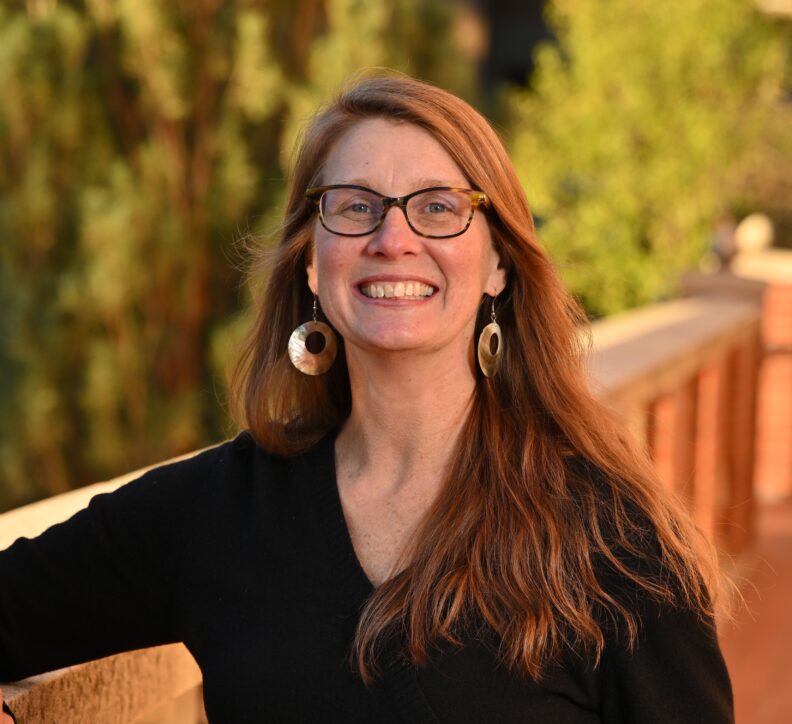
Jennifer Schwartz
James F. Short Distinguished Professor
Department of Sociology
We are grateful to receive the Community Engaged Research Seed Grant – Tier Three, which will support the next phase of the Washington Rural Jails Network (WRJN), a community-engaged initiative addressing the drivers of rural jail incarceration in Eastern and Central Washington. Since 2019, we have partnered with six rural counties to analyze jail booking data, conduct interviews and focus groups, and convene diverse stakeholder coalitions including law enforcement, legal professionals, and social service providers. This grant allows us to build on five years of collaboration by identifying locally driven research questions, helping communities use underutilized data, and strengthening cross-sector relationships to support data-informed decision-making. Ultimately, this work aims to reduce cycles of incarceration and advance community-driven solutions rooted in the needs of rural Washington.
Pullman in Focus
2025
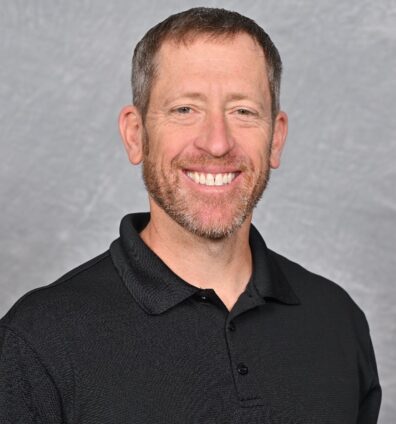
Pete Van Mullem
Scholarly Professor (Career)
Department of Educational Leadership and Sport Management
Receiving the CERSG Pullman in Focus Award has facilitated the growth of a long-term project that focuses on sport coach retention based on coach readiness and confidence. Through collaboration with Pullman Parks and Recreation (PPR), we have established the Ready to Coach Initiative (RCI). This ongoing initiative aids PPR in coach recruitment and coach retention while providing an opportunity to study the readiness and confidence of volunteer youth sport coaches.
Graduate Student Summer Community Engaged Seed Grant
2025
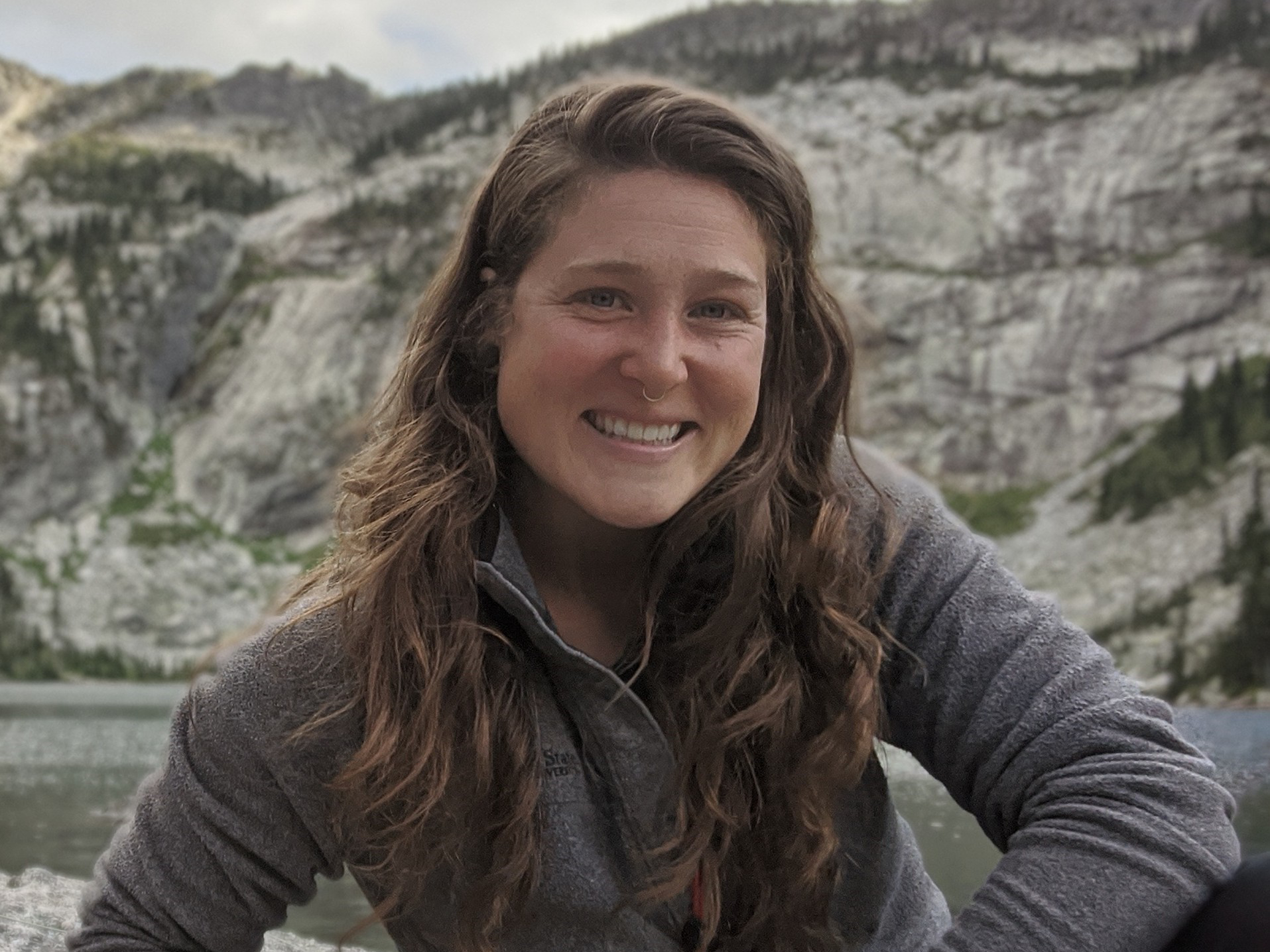
Jordan Thompson
Department of Anthropology
I am honored to be selected for the Graduate Student Community Engaged Research Grant. As a PhD candidate, this grant will advance my research goals by integrating critical Indigenous ontologies with archaeological data to revisualize the Nimíipuu (Nez Perce) landscape. I am working in collaboration with Nimíipuu elders, linguists, and knowledge holders to explore how Indigenous landscape and earth system knowledge relates to land use, placemaking, and the establishment of the seasonal subsistence cycle through an ethnogeological investigation of the Bitterroot Mountains in Idaho. The investigation will contextualize our archaeological findings by relating the physical properties and geologic histories of the landscape and earthen materials to their perception and use, to better understand past Nimíipuu lifeways.